Archives: Projects

  • Design Systems & Prototyping

    Design Systems & Prototyping

    Exploring the space between Figma, development and implementation

    Focus

    • Design systems
    • Figma workflows
    • Prototyping
    • React
    • WordPress block themes
    • Accessibility
    • AI-assisted design processes
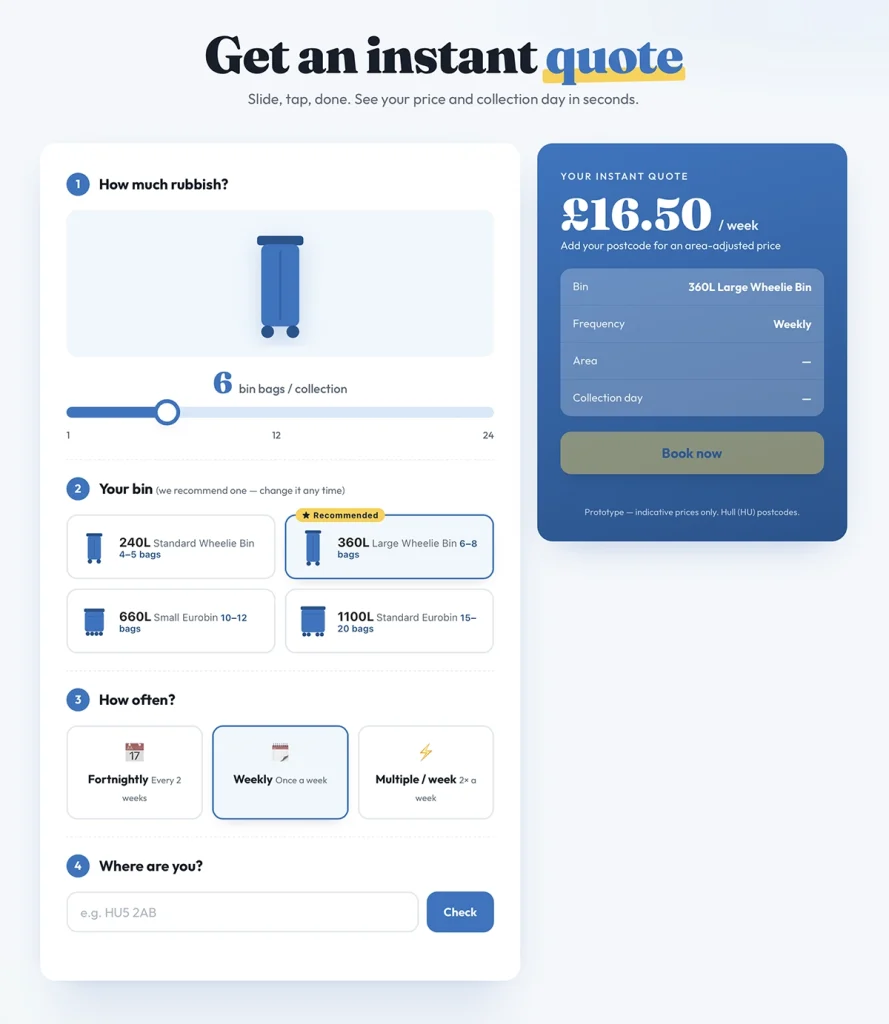
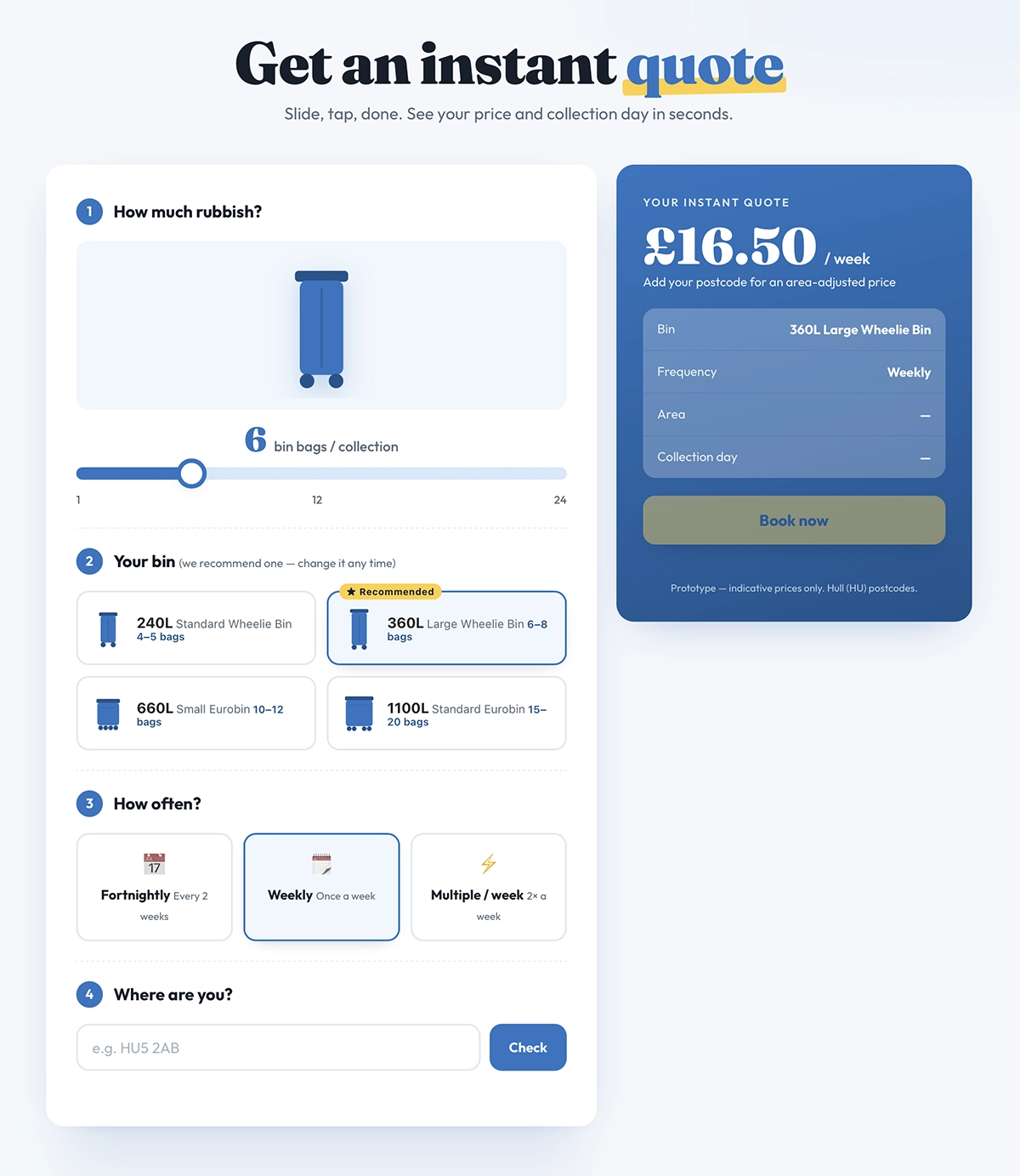
    An interactive pricing prototype used to test and refine a complex quotation journey.
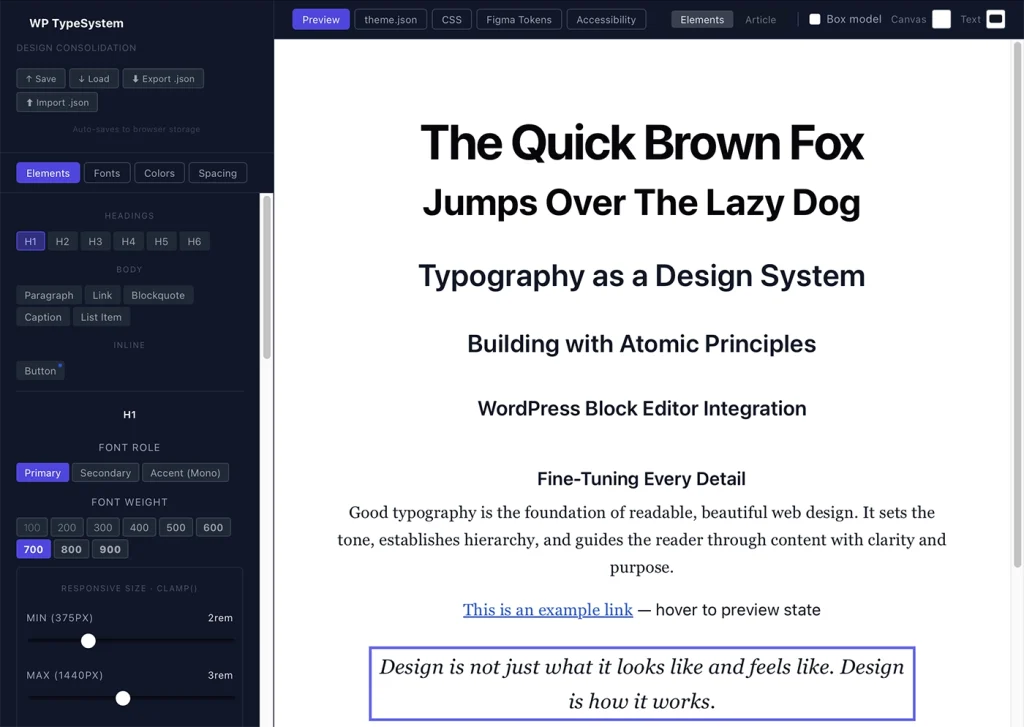
    A browser-based tool for defining typography, spacing and design tokens, then exporting them to WordPress, CSS and Figma.

    Alongside client work, I actively explore how design systems, prototyping and emerging tools can improve the relationship between design and implementation.

    Recent projects include a React-based typography and design-system tool that generates WordPress theme.json configuration, CSS and Figma tokens from a single source of truth.

    More recently I’ve been incorporating AI-assisted workflows into this process, using them to accelerate exploration and communication while keeping design decisions grounded in user needs and technical constraints.
    Coordinate-Based Website Navigation – Each page forms part of a larger visual landscape, allowing users to navigate through neighbouring content rather than following a linear sequence.

    I’ve also developed a series of interactive prototypes exploring search interfaces, quotation tools and alternative navigation patterns. These prototypes help communicate ideas, test assumptions and reduce ambiguity before development begins.

    For me, the value of AI is not replacing designers. It’s reducing friction in the design process and allowing more time to focus on solving the right problems.
    Navigation is driven by spatial relationships, creating a continuous browsing experience that mirrors movement through a physical collection.
  • Editorial Systems & Visual Identity

    Editorial Systems & Visual Identity

    Creating publications, identities and communication systems for cultural organisations

    Focus

    • Visual identity
    • Editorial design
    • Typography
    • Print production
    • Art direction
    • Publication systems
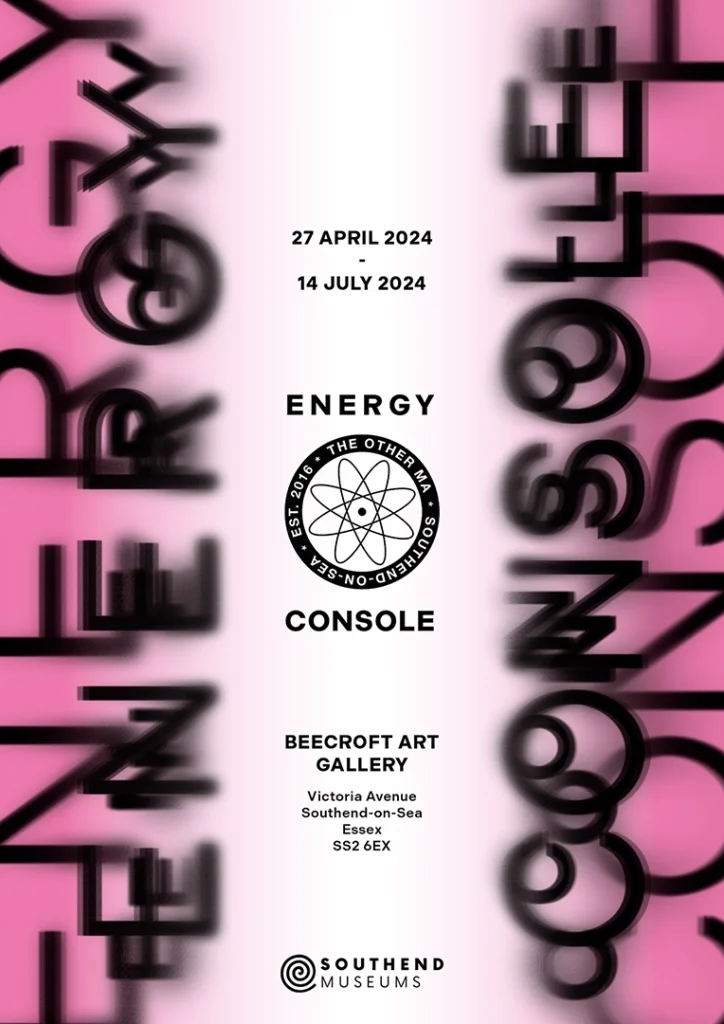
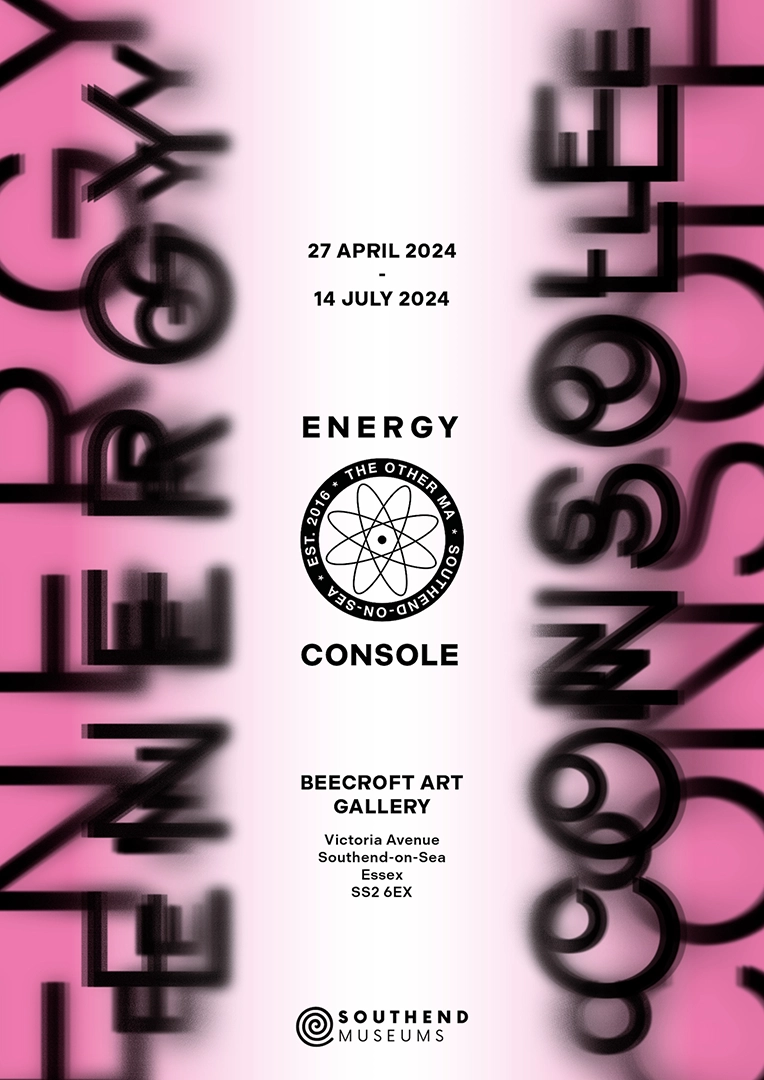
    Energy Console Exhibition Poster
    Assets were designed across print (poster, flyers, catalogue) and digital (website and social media)
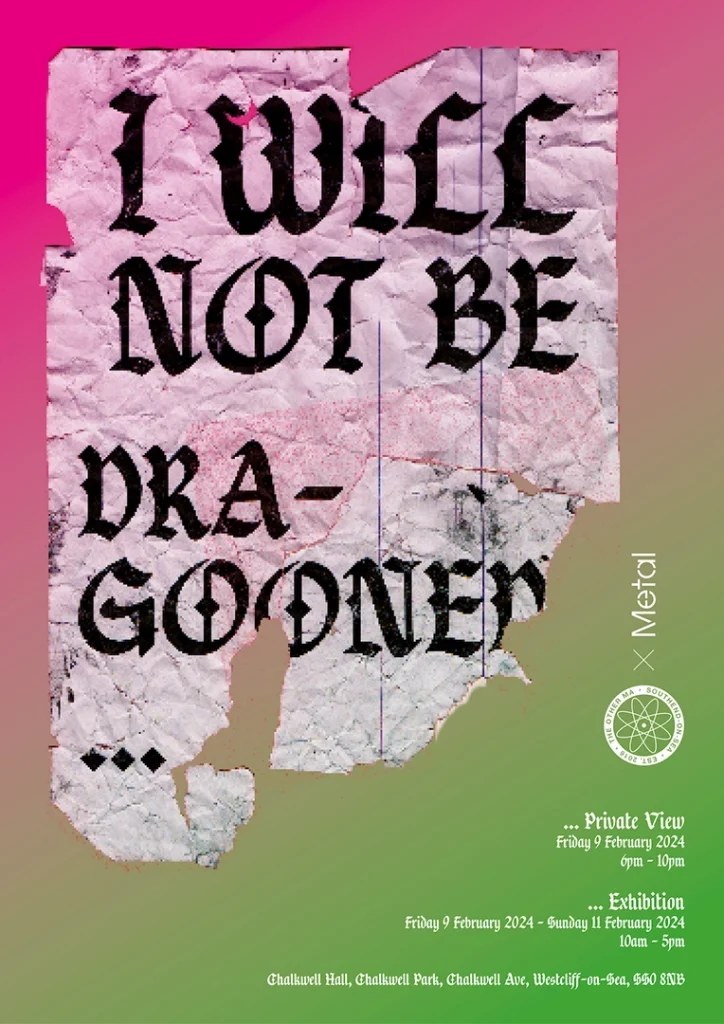
    The ‘I Will Not Be Dragooned’ artwork was a mix of manual and digital processes

    Alongside digital work, I continue to design printed publications, exhibition identities and editorial systems for arts organisations.

    Projects have included exhibition branding, posters, catalogues, teaching resources and large-format print materials.

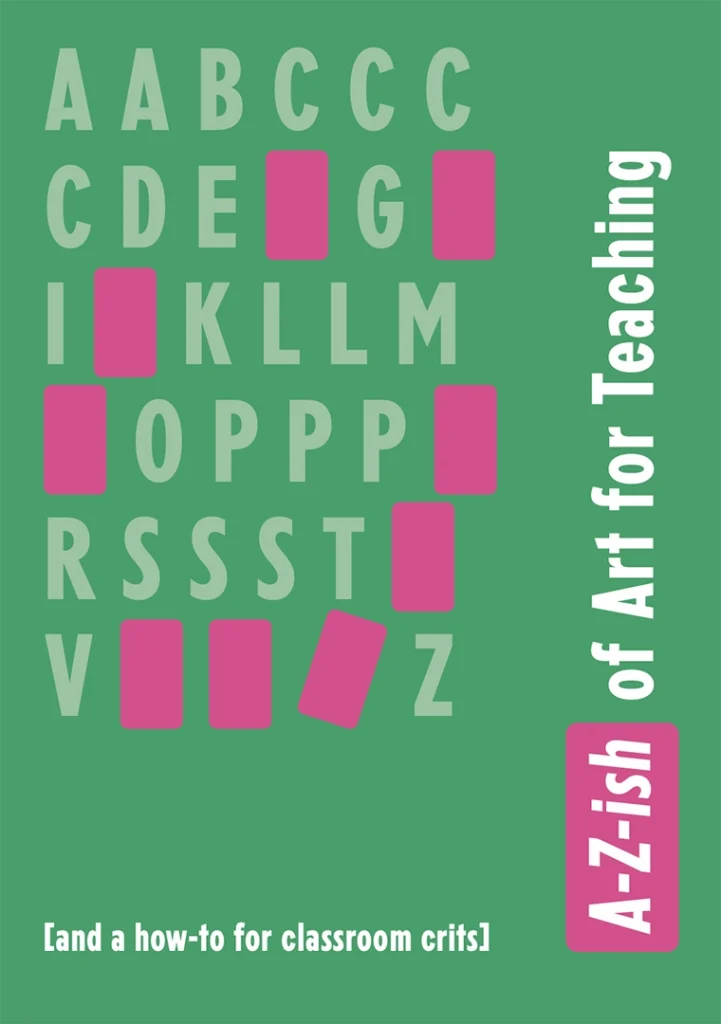
    One recent project involved creating the visual identity and accompanying materials for Energy Console, a large group exhibition featuring more than twenty artists. Another involved designing an educational publication, A–Z-ish, which required building a flexible editorial system capable of accommodating highly varied content while maintaining consistency throughout the book.

    Cover design for 120 page teacher resource book
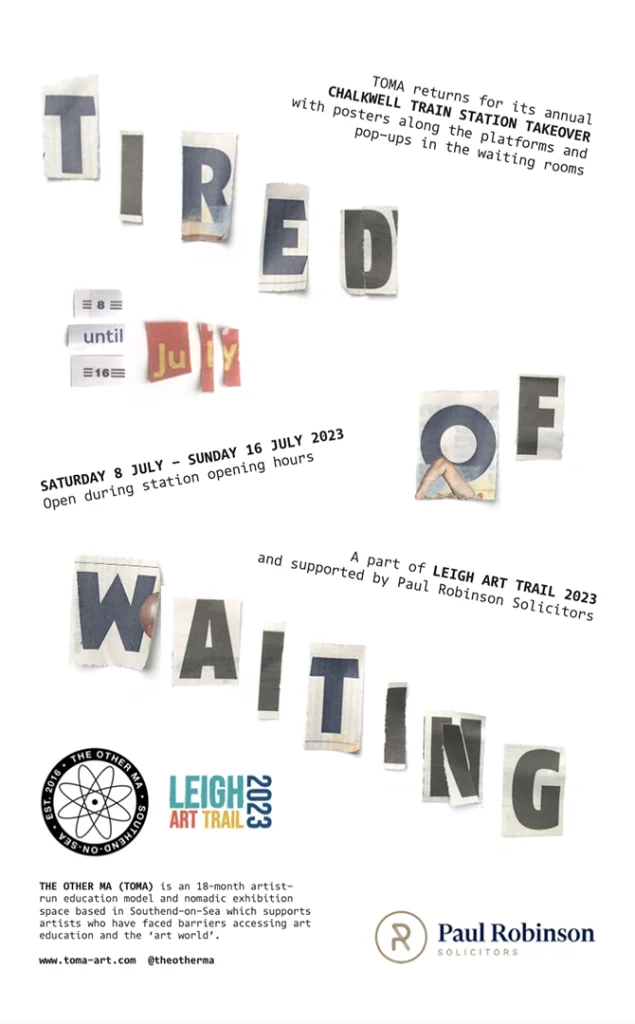
    Collaged Metro newspaper letters were used to create the design for an exhibition at a train station

    Across these projects I work from concept development through to print-ready artwork, collaborating with artists, curators, writers and printers.

  • Research-Led Information Architecture

    Research-Led Information Architecture

    Using research and information architecture to create more effective digital experiences

    Focus

    • Information architecture
    • User intent
    • Content strategy
    • SEO
    • Navigation design
    • Stakeholder workshops
    • Discovery and research
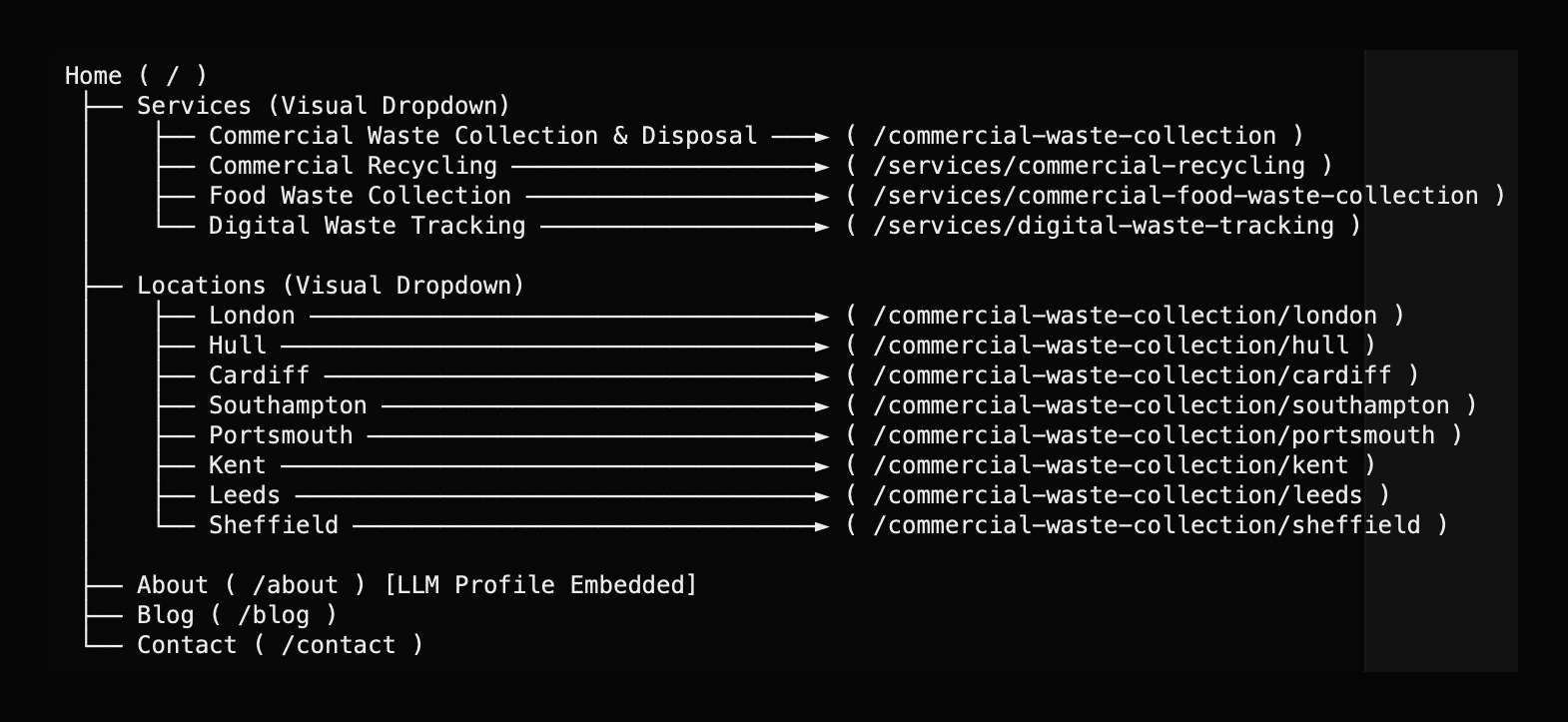
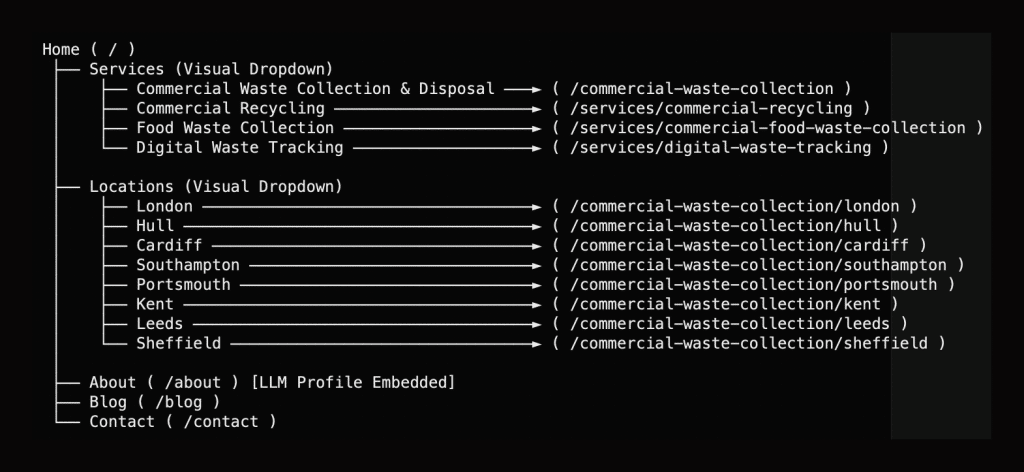
    Information architecture designed around user journeys, service priorities and search demand.
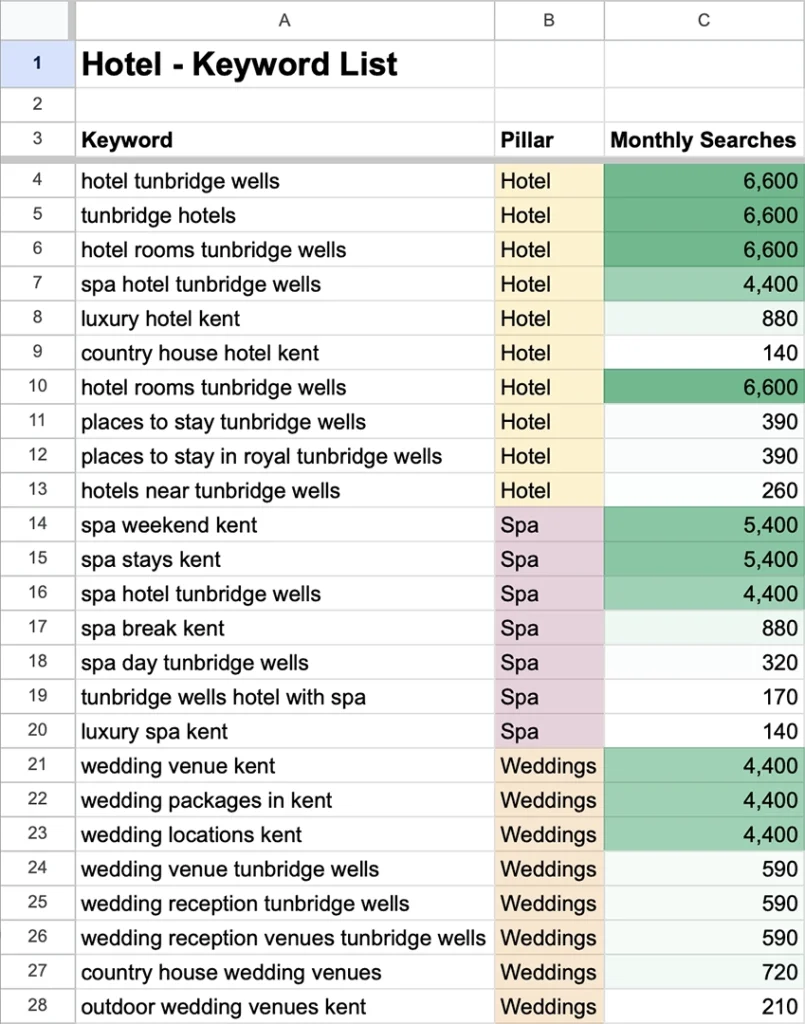
    Search data used to define content pillars, navigation and page priorities.

    My approach to website design begins long before visual design.

    Whether working with a small business, a travel company, a cultural organisation or a large commercial client, I start by understanding how people search, what information they expect to find and what the organisation is trying to achieve.

    Search behaviour, content structure and user intent provide a foundation for decisions about navigation, page hierarchy and content strategy.

    Over the years this approach has informed projects across a wide range of sectors, helping organisations move beyond assumptions and make decisions based on evidence.

    Recent examples include work for a luxury hotel and a national waste management company, where keyword research, content analysis and information architecture were used to identify opportunities, shape site structures and improve the way users navigate content.

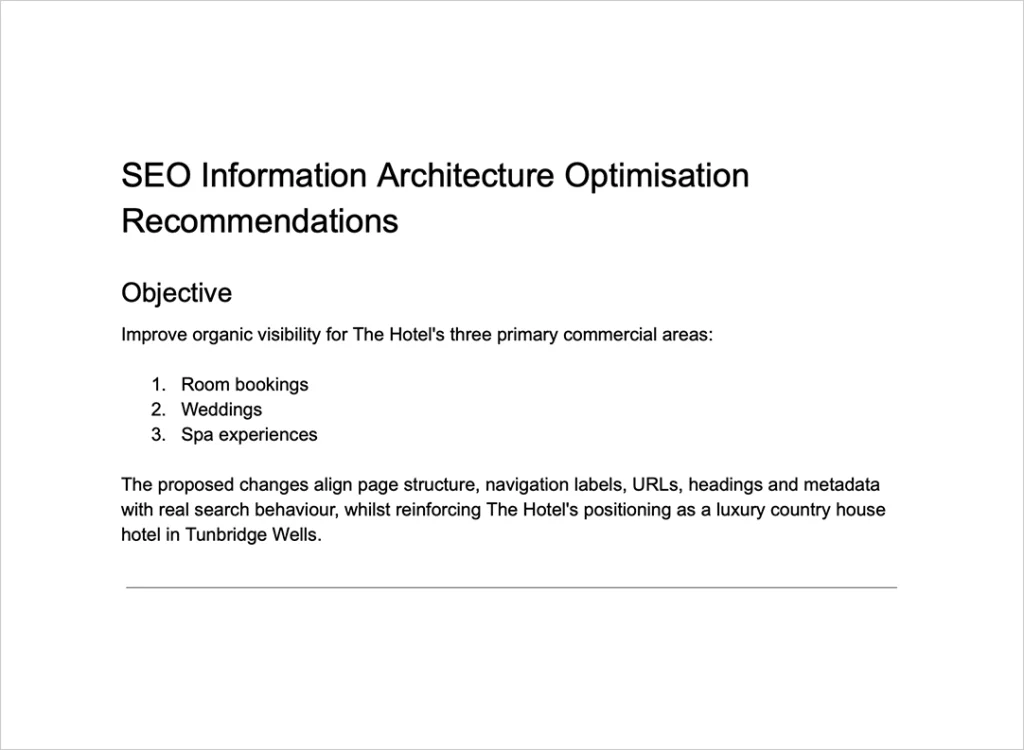
    Research findings translated into actionable recommendations for content and navigation.
  • Content Systems at Scale

    Content Systems at Scale

    Designing systems for multilingual content, search and editorial workflows

    Focus

    • Design systems
    • WordPress block themes
    • Information architecture
    • Search and filtering UX
    • Multilingual websites
    • User permissions
    • Client collaboration
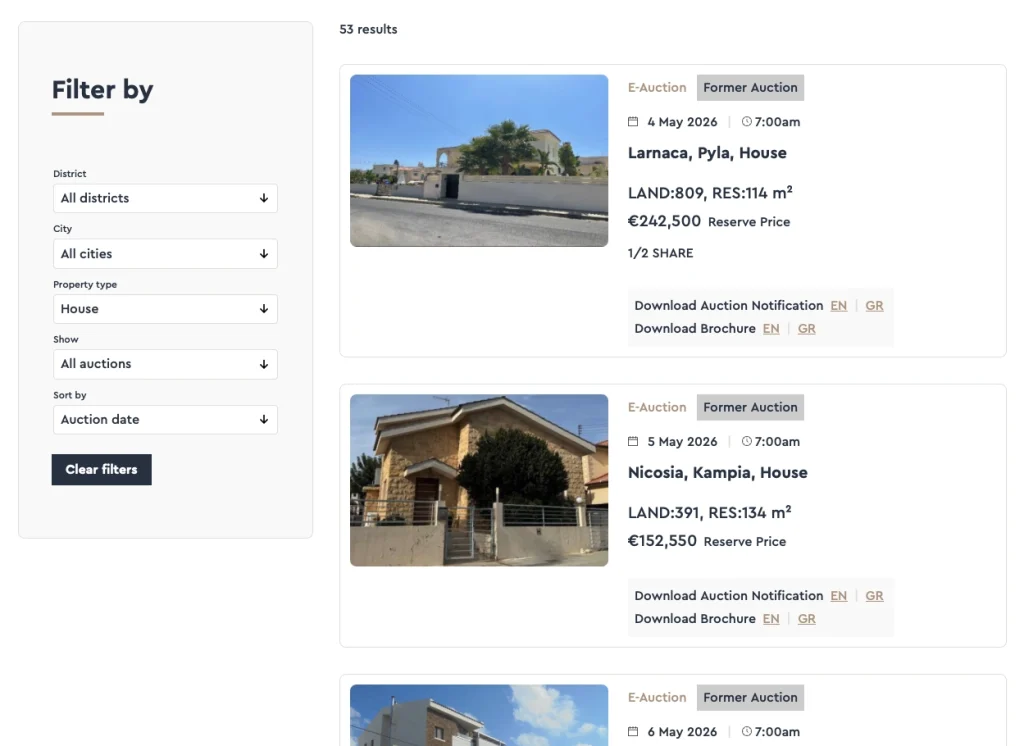
    Search and filtering tools designed to help users navigate hundreds of active property listings.
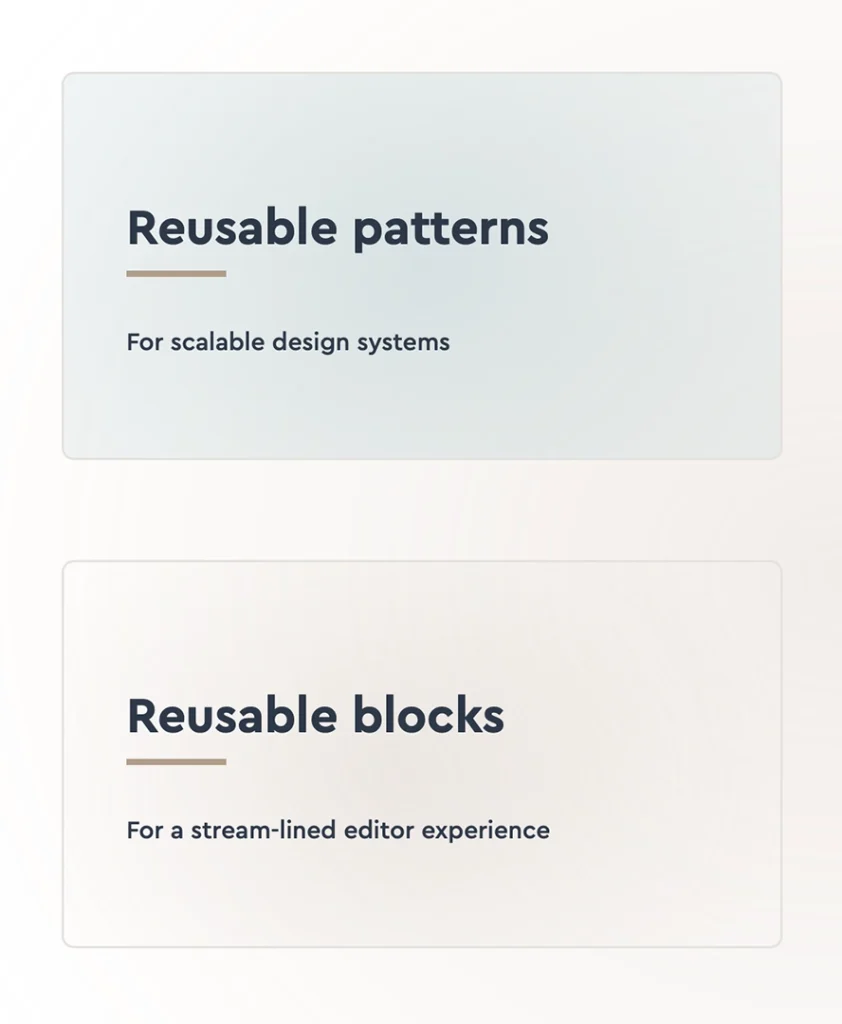
    Defining reusable patterns to support consistent design and content creation.

    I am currently working on the project through a marketing agency, taking responsibility for both front-end development and the design systems required to support the build, of a property auction platform serving the Cypriot market.

    The starting point was a Figma design that had been largely designed by eye. The challenge wasn’t simply translating designs into code. It was identifying patterns, defining rules and creating enough structure to turn the design into a scalable system.

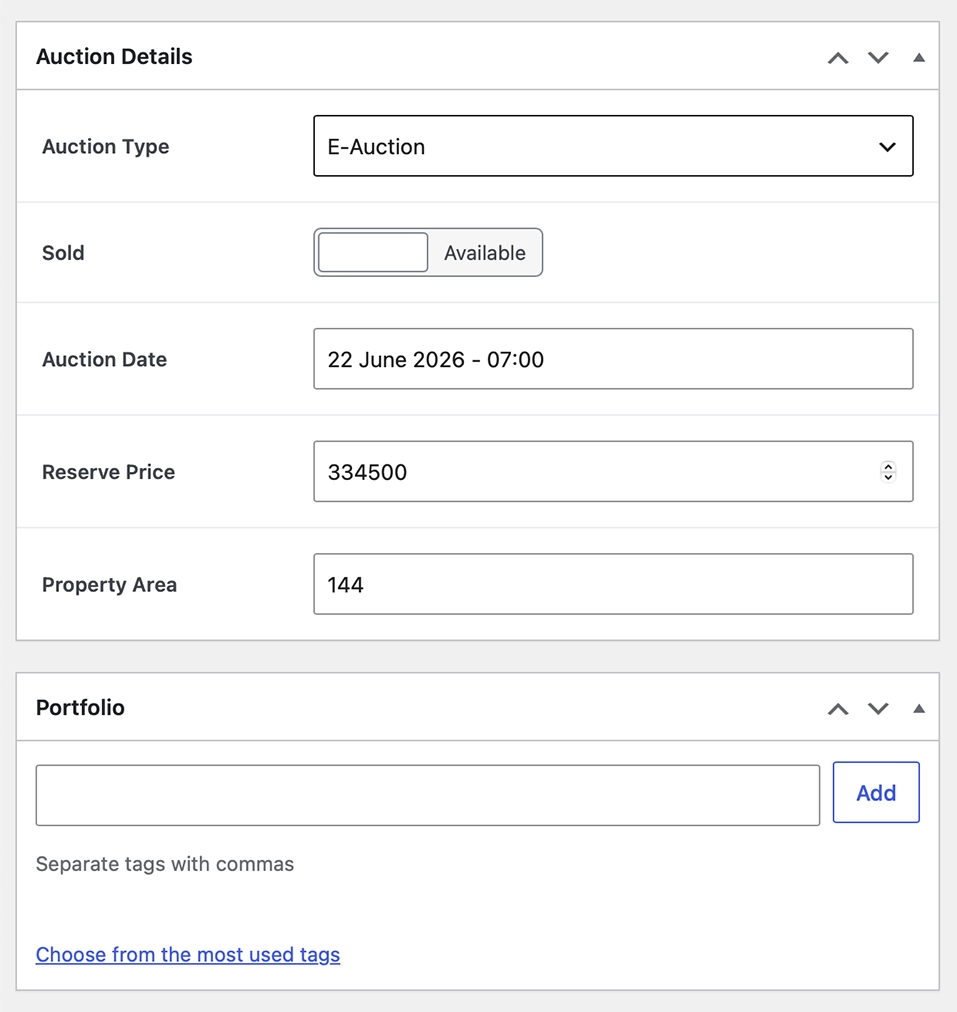
    Structured publishing tools created to simplify property management workflows.

    I developed a custom WordPress block theme designed to be maintained not only by developers, but also by designers, account managers and the client team.

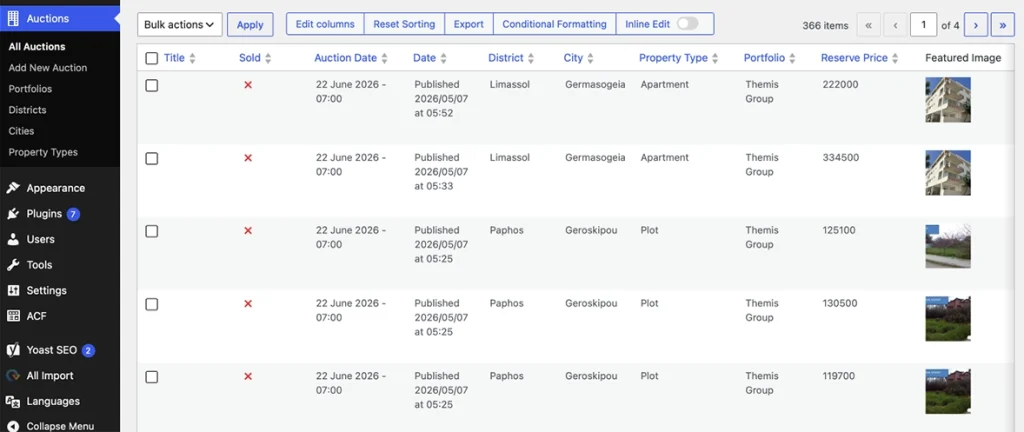
    Alongside the public-facing site, I designed and developed a custom search and filtering experience for more than 500 active property listings. The filtering interface was designed for both potential buyers and internal administrators managing listings on a daily basis.

    The project also included multilingual implementation using Polylang, custom permissions systems for different user groups and regular client presentations delivered remotely to stakeholders in Cyprus.

    Bespoke administration tools for managing listings, content and platform data at scale.

    The principles behind this work extend beyond a single project. Across a range of client websites, I use design systems, reusable components and structured content models.

    Recent examples include a restaurant ecommerce platform and a professional services website. While the visual outcomes differ significantly, the underlying goal remains the same: creating scalable systems that support both users and content editors over the long term.

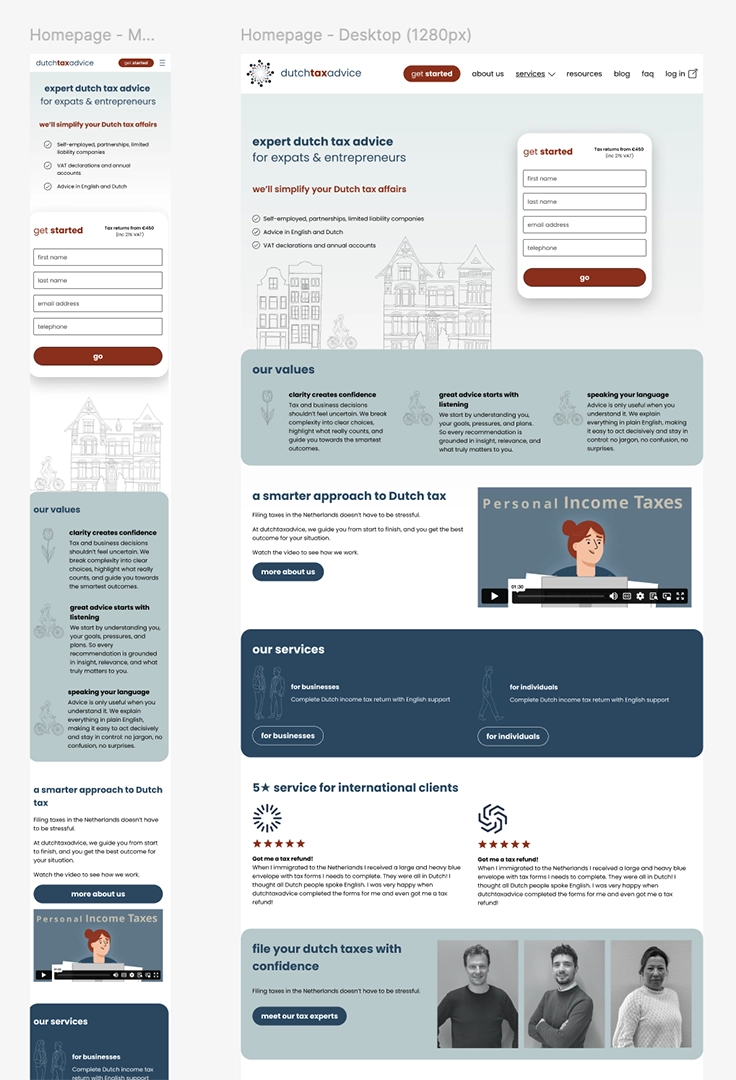
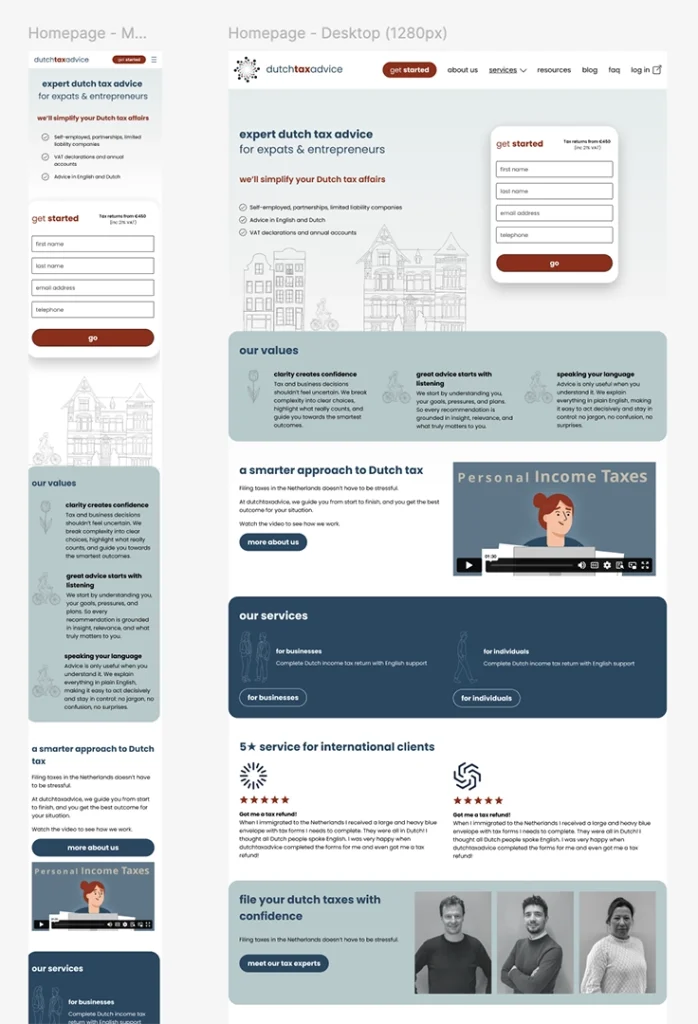
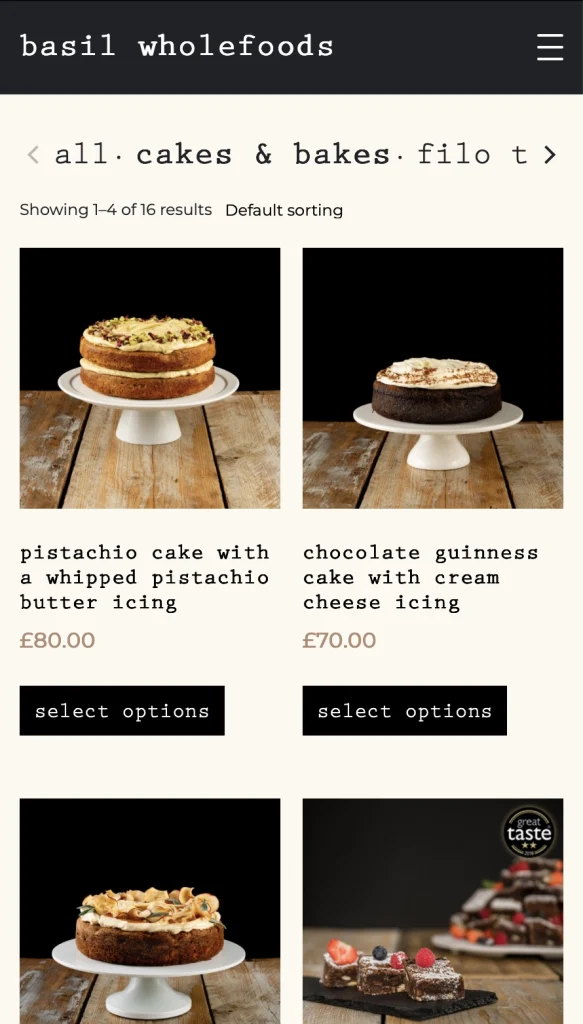
    Exploring page templates, content patterns and responsive layouts before development.
    A flexible ecommerce experience built around usability and editor-friendly workflows.
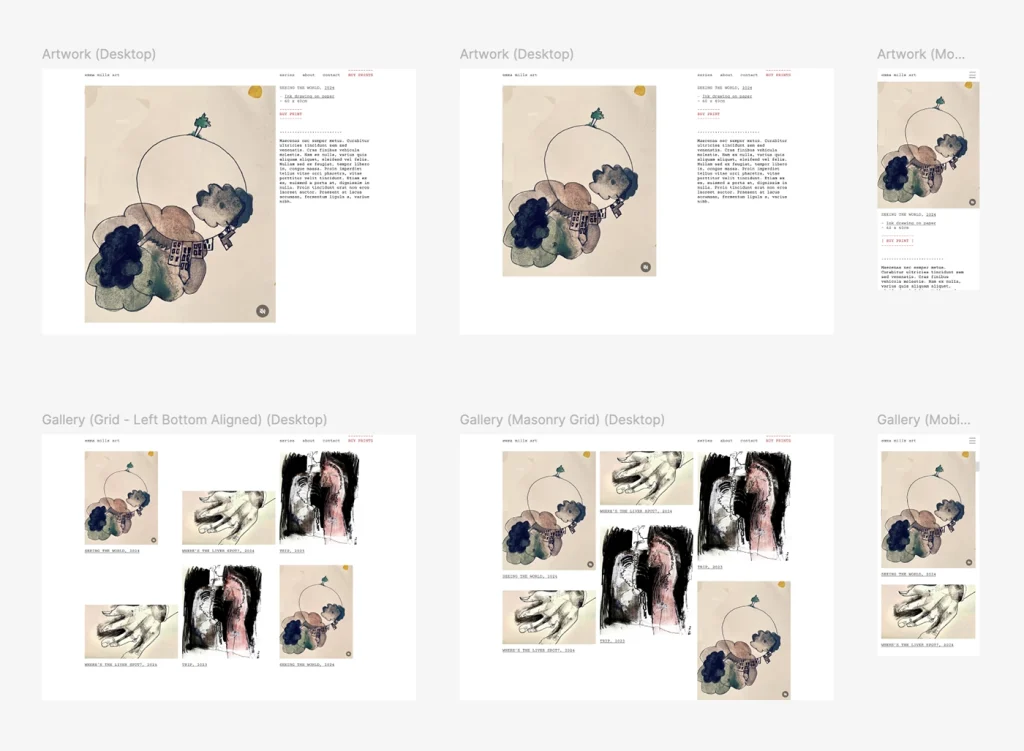
    Exploring alternative gallery structures, navigation patterns and responsive layouts before development.
  • Designing for Long-Term Evolution

    Designing for Long-Term Evolution

    Supporting a digital platform through more than a decade of growth and change

    Focus

    • Long-term product evolution
    • Platform migration
    • Content modelling
    • Search UX
    • WordPress development
    • Content strategy
    • Client partnership
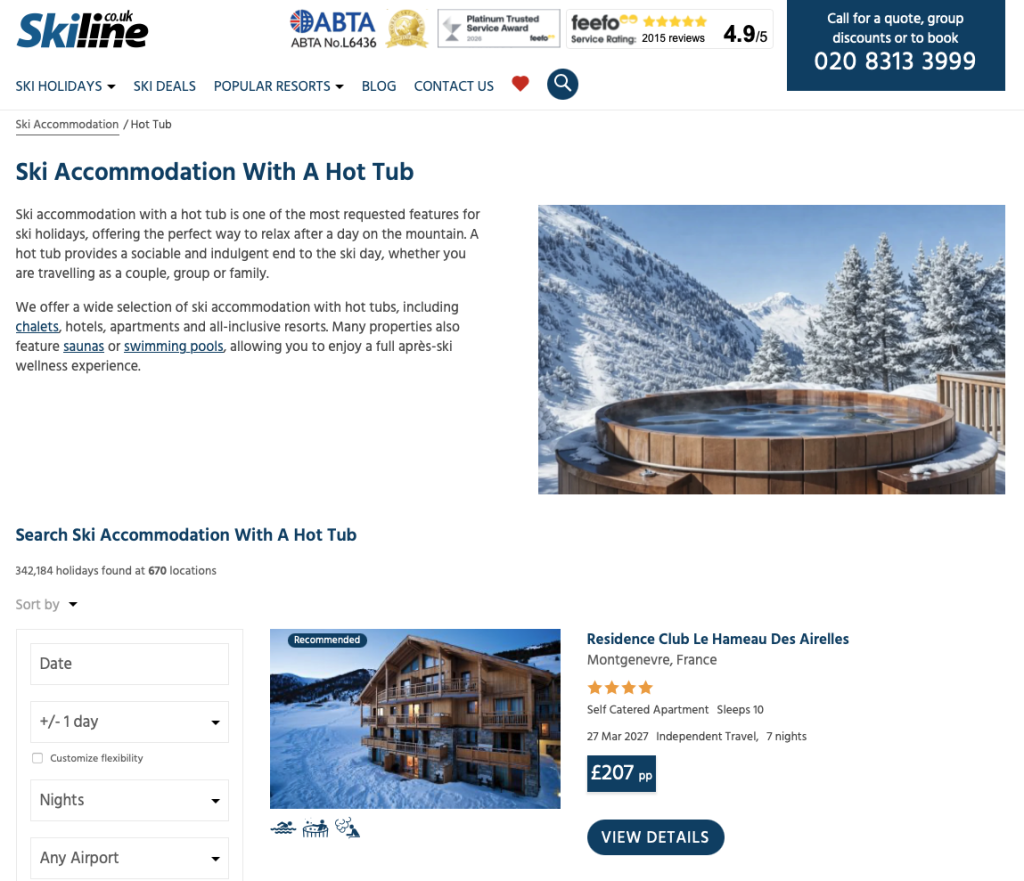
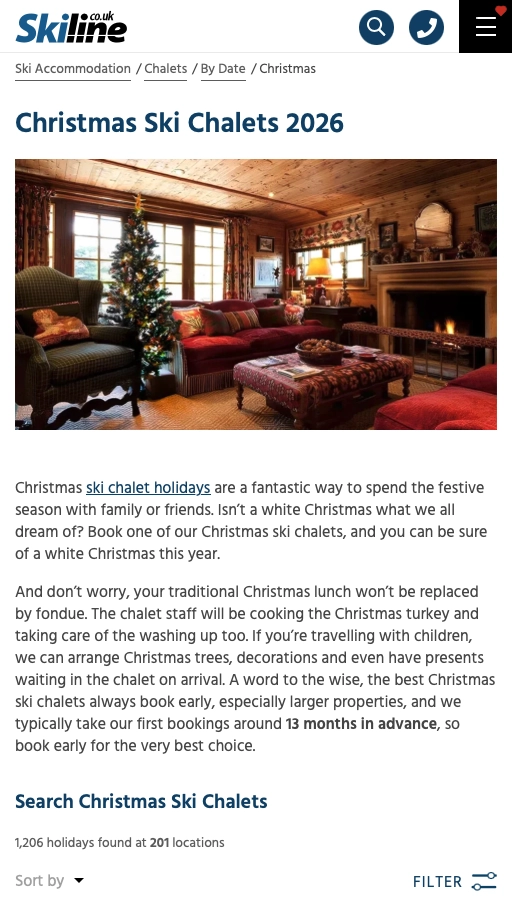
    Desktop UI balancing the needs of SEO and usability
    Mobile Landing Page – Mobile-first refinements focused on search, navigation and content hierarchy.

    I’ve worked with Ski Line, a specialist UK ski holiday company, for more than a decade, helping shape the platform through multiple stages of growth and change.

    Over that time the project has evolved from maintaining and extending an existing Drupal platform to leading a migration to WordPress, improving content systems, refining user journeys and developing new search experiences.

    The relationship has reinforced the importance of designing for longevity. Rather than treating websites as one-off launches, the platform has continually evolved through content improvements, UX refinements and technical enhancements.

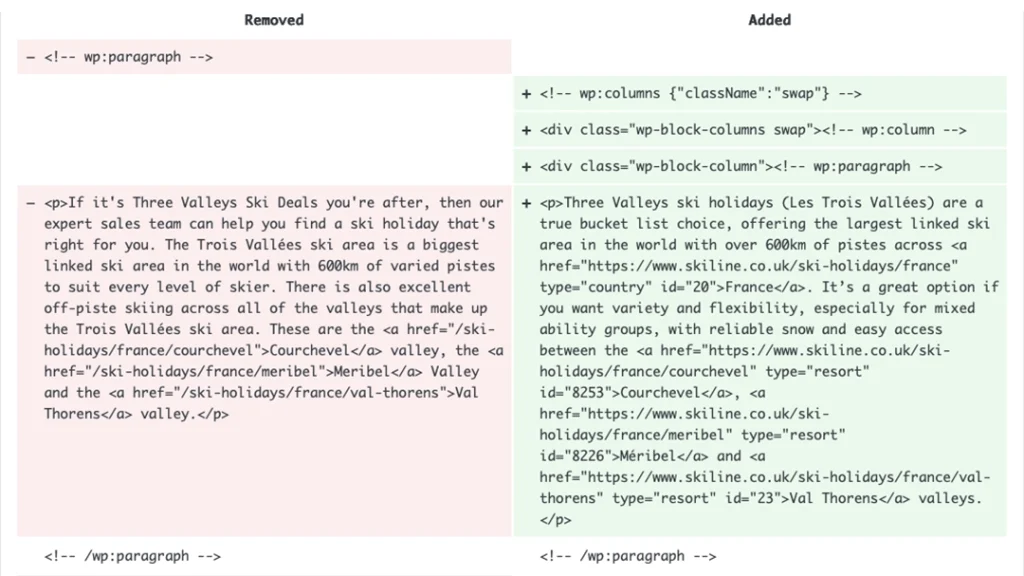
    Content Before & After – Content rewritten to improve clarity, usefulness and search visibility.

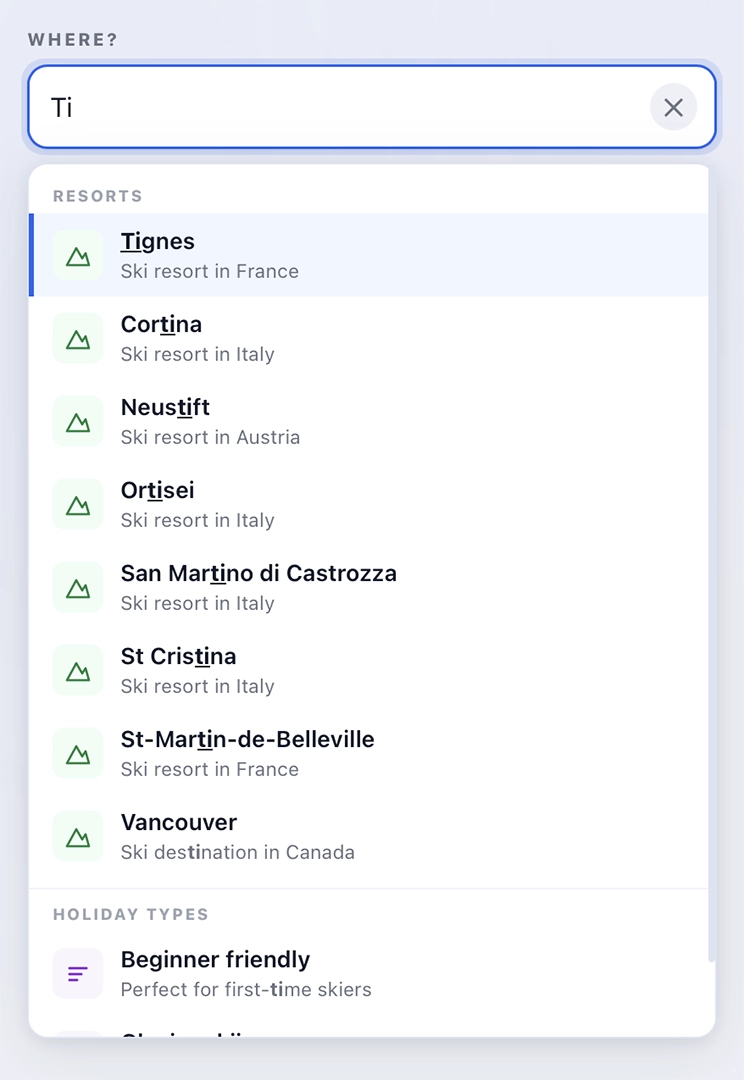
    A prototype search experience combining destinations, countries and inspiration into a single interface.

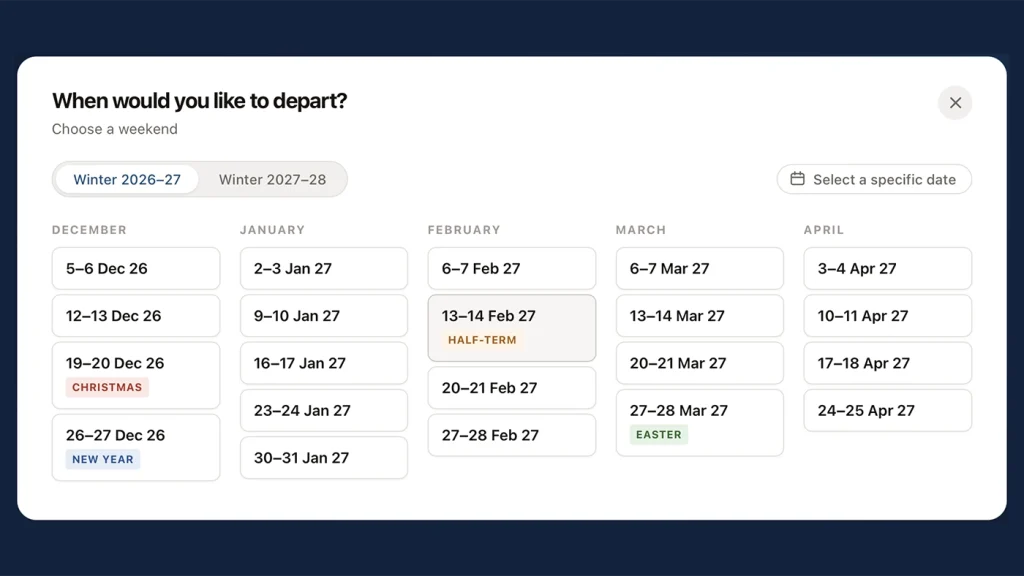
    Recent work has focused on improving how customers discover holidays, including redesigned departure-date selection and destination search experiences built around real booking behaviour rather than underlying data structures.The project continues today, combining content strategy, UX, development and ongoing product evolution.

    The project continues today, combining content strategy, UX, development and ongoing product evolution.

    Departure Date Picker – Redesigned around real booking behaviour, prioritising weekend departures and key seasonal dates.